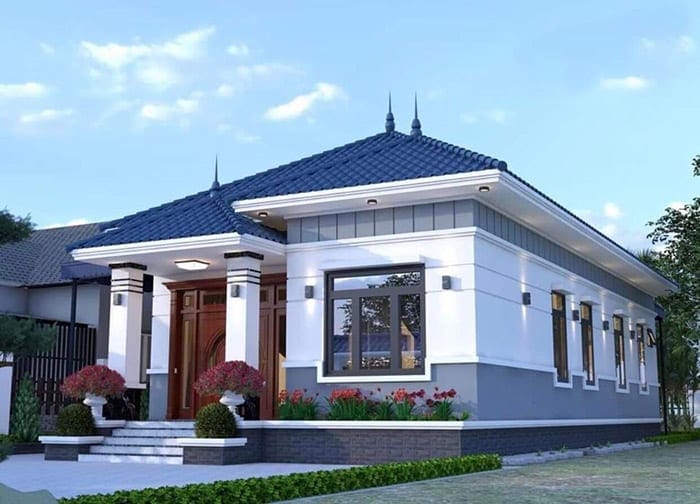
Interior space planning is the foundation of great design. It's the invisible framework that determines how a space feels, flows, and functions.
Understanding Flow and Circulation
Great interior design begins with understanding how people move through a space. Circulation paths should feel natural and intuitive, guiding occupants effortlessly from one area to another.
The Power of Proportions
The relationship between furniture size, ceiling height, and room dimensions creates the psychological experience of a space. Well-proportioned rooms feel comfortable without being cramped or cavernous.
Light as a Design Element
Natural light is the most powerful tool in interior design. The direction, quality, and quantity of light dramatically affect how colors appear, how spaces feel, and how occupants' moods are influenced.
Material Selection and Texture
Texture adds depth and interest to interiors. Combining smooth and rough, matte and glossy, natural and manufactured materials creates rich, layered environments that engage all the senses.